• One-quarter of America’s children live in low-income families with a working parent. In 2001, almost 19 million children lived with parents who worked regularly in families that remained low- income (income below twice the official poverty threshold, or about $38,000 for a family of four).
Are there any government programs for low income families?
Many U.S. States have benefit programs for low-income families and individuals listed on Benefits.gov. These programs include but are not limited to the: The Child Care and Development Fund provides assistance to low-income families who need child care due to work, work-related training and/or attending school.
How many low income families qualify for food stamps?
In 2001, only 52 percent of the families with earnings who qualified for the Food Stamps Program participated in it. Additionally, the majority of low-income children without health insurance are eligible for Medicaid or the State Children’s Health Insurance Program but are not enrolled.
What’s the median wage for a low income family?
The vast majority of a low-income family’s income comes from earnings (89 percent for a low-income family with at least one full-time, full-year worker). Yet, the median hourly wage for the primary worker in these families is about $9.
There are 72.4 million children under age 18 years in the United States. 41 percent of those children live in low-income families. Figure 1:Children by family income, 2016
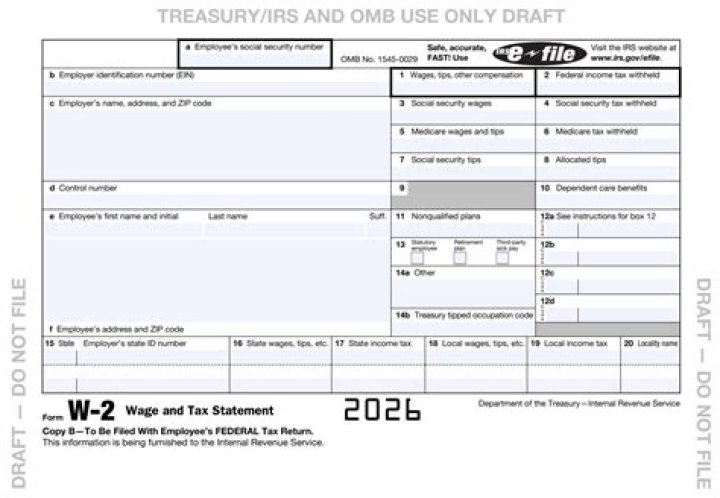
How much income does a child need to file a tax return?
The dividend and interest income was less than $10,400. Your child is required to file a tax return unless you meet the requirements to file your own return with your child’s income. Your child does not file a joint tax return.
Who are the non filers on the tax return?
The Non-Filers tool is for married couples with incomes below $24,400 or single people with income below $12,200. This includes couples and individuals who are homeless.
Why do low income Americans need to file a tax return?
The most important reason that low-income Americans who previously didn’t need to file a tax return should do so this year is to claim the economic impact payments that they’re eligible for, according to Elaine Maag, a principal research associate at the Urban-Brookings Tax Policy Center.